How Can You Prevent Blocked Drains Barnsley Before They Become Serious?
A blocked drain is more than just an inconvenience—it can lead to unpleasant odours, slow-draining sinks, overflowing water and, in severe cases, costly property damage. Whether you own a home or manage a commercial premises, understanding the common causes of Blocked Drains Barnsley is essential for preventing drainage issues before they become serious.
Barnsley’s mix of older properties, modern developments and changing weather conditions means drainage systems can face a variety of challenges throughout the year. Fortunately, with the right maintenance and prompt professional assistance, many drainage problems can be prevented or resolved quickly.
This guide explains the most common causes of blocked drains, practical prevention tips and when it’s time to contact experts offering drain clearance in Barnsley.
Why Healthy Drains Matter
Your property’s drainage system is designed to safely remove wastewater from kitchens, bathrooms, utility rooms and outdoor areas. When pipes become blocked, the entire system can be affected.
Well-maintained drains help to:
- Prevent unpleasant smells
- Reduce the risk of flooding
- Protect your property’s structure
- Improve hygiene
- Prevent expensive repair bills
- Keep wastewater flowing efficiently
Regular maintenance is one of the most effective ways to avoid Blocked Drains Barnsley.
Common Causes of Blocked Drains Barnsley
Drain blockages usually develop gradually as waste accumulates inside the pipework. Understanding the most common causes can help you reduce the risk of future problems.
Fat, Oil and Grease
One of the leading causes of domestic drain blockages is the disposal of cooking fats, oils and grease down kitchen sinks.
Although these substances may appear liquid when hot, they cool quickly inside drainage pipes and harden over time. This sticky residue traps food particles and other debris, eventually restricting water flow.
Prevention Tip:
Allow cooking grease to cool before disposing of it in a suitable waste container rather than pouring it down the sink.
Food Waste
Small food scraps often pass unnoticed into kitchen drains.
Common culprits include:
- Rice
- Pasta
- Coffee grounds
- Vegetable peelings
- Eggshells
These materials can accumulate inside pipework and contribute to stubborn blockages.
Prevention Tip:
Use a sink strainer and empty food waste into your household bin or food recycling container.
Hair Build-Up
Hair is one of the most common causes of bathroom drain blockages.
Over time, strands combine with soap residue and other debris to create dense obstructions that restrict water flow.
Prevention Tip:
Install hair catchers over shower and bath drains and clean them regularly.
Soap Residue
Traditional soap bars can leave behind mineral deposits that gradually build up within pipes.
Combined with hair and grease, this residue can significantly reduce drainage efficiency.
Prevention Tip:
Flush drains regularly with hot water and avoid allowing soap residue to accumulate.
Wet Wipes and Sanitary Products
Despite some packaging claims, many wipes do not break down effectively inside drainage systems.
Items that should never be flushed include:
- Baby wipes
- Cleaning wipes
- Cotton buds
- Sanitary towels
- Nappies
- Paper towels
These products are a common cause of blocked drains Barnsley.
Prevention Tip:
Only flush toilet paper. Dispose of all other hygiene products in suitable waste bins.
Outdoor Causes of Drain Blockages
Drain problems are not limited to indoor plumbing.
External drainage systems can also become obstructed.
Leaves and Garden Debris
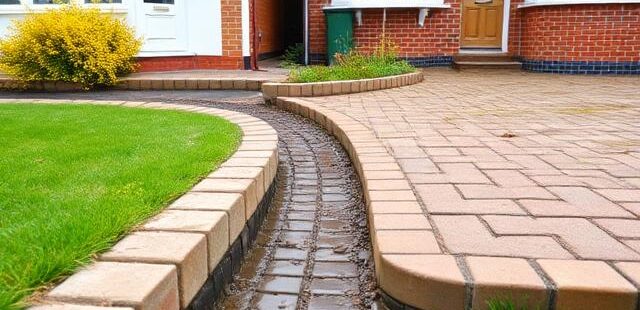
During autumn, fallen leaves frequently accumulate in outdoor gullies and drains.
If left unattended, they can restrict water flow and increase the risk of flooding.
Prevention Tip:
Regularly clear leaves and debris from external drainage channels.
Tree Roots
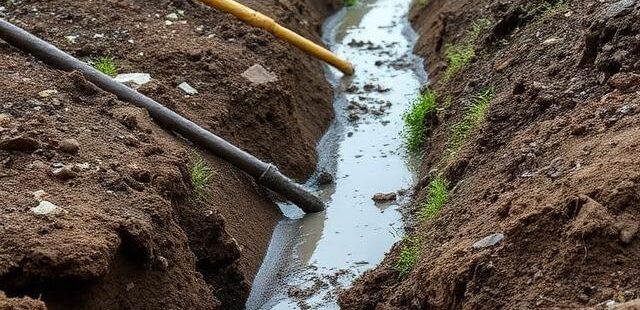
Tree roots naturally seek moisture and can enter tiny cracks in underground drainage pipes.
Once inside, they continue growing and eventually obstruct wastewater flow.
Professional services of blocked drains Barnsley often use CCTV inspections to identify root intrusion before major damage occurs.
Soil and Mud
Heavy rainfall can wash soil, sand and gravel into drainage systems.
Over time, these materials settle inside pipes and reduce capacity.
Keeping outdoor drainage areas clear helps minimise this risk.
Warning Signs of a Blocked Drain
Recognising early symptoms allows problems to be addressed before they become more serious.
Common warning signs include:
- Slow-draining sinks
- Water backing up
- Gurgling sounds
- Unpleasant odours
- Overflowing outdoor drains
- Toilets flushing slowly
- Standing water around gullies
If these issues persist, professional drain clearance in Barnsley should be arranged promptly.
Why Professional Drain Clearance Is Important
Although minor blockages can sometimes be resolved with simple maintenance, more serious obstructions require specialist equipment.
Professional drainage engineers use advanced methods such as:
High-Pressure Water Jetting
Powerful water jets remove grease, sludge, scale and debris from pipe interiors without damaging the drainage system.
CCTV Drain Surveys
Small waterproof cameras allow engineers to inspect underground drains accurately.
This technology helps identify:
- Root intrusion
- Cracked pipes
- Structural defects
- Collapsed drains
- Hidden blockages
Mechanical Drain Cleaning
Specialist drain rods and mechanical equipment safely remove stubborn obstructions that cannot be cleared manually.
These techniques enable accurate diagnosis while reducing unnecessary excavation.
Preventing Drain Problems
Preventative maintenance is far more cost-effective than emergency repairs.
Here are some practical ways to reduce the likelihood of Blocked Drains Barnsley.
Dispose of Waste Correctly
Never pour fats, oils or grease into sinks.
Dispose of food scraps and hygiene products in suitable bins.
Use Drain Covers
Drain strainers help prevent food, hair and debris from entering the drainage system.
Flush Drains Regularly
Occasionally flushing kitchen drains with hot water can help reduce grease accumulation.
Maintain Outdoor Drains
Inspect external drains periodically and remove leaves, moss and debris before they build up.
Schedule Routine Inspections
Periodic inspections by professionals offering drainage services in Barnsley can identify developing issues before they become expensive repairs.
Why Experience Matters
Drainage systems are complex, particularly in older properties where pipe layouts may differ from modern standards.
Experienced drainage specialists understand:
- Local drainage infrastructure
- Common pipe materials
- Building regulations
- Safe repair methods
- Effective clearance techniques
Choosing qualified professionals ensures work is completed safely and efficiently.
When Should You Call a Drainage Expert?
You should seek professional assistance if:
- Multiple drains are blocked simultaneously.
- Water backs up into sinks or toilets.
- Outdoor drains overflow after rainfall.
- Unpleasant smells persist.
- DIY methods fail to clear the blockage.
- You suspect damaged pipework.
Attempting to force severe blockages using inappropriate methods may worsen the problem.
Professional blocked drains Barnsley provides a safer and more effective solution.
The Benefits of Regular Drain Maintenance
Routine maintenance offers numerous advantages.
These include:
- Fewer emergency call-outs
- Improved drainage performance
- Reduced repair costs
- Longer pipe lifespan
- Better hygiene
- Lower flood risk
Many homeowners and businesses arrange scheduled maintenance to keep their drainage systems functioning efficiently throughout the year.
Why Trustworthy Drainage Services Matter
Reliable drainage companies provide more than emergency assistance. They offer expert advice, accurate diagnosis and long-term solutions tailored to your property’s needs.
A trustworthy provider should offer:
- Qualified engineers
- Modern equipment
- Transparent pricing
- Prompt response times
- Comprehensive inspections
- Clear explanations of recommended work
These qualities reflect the professionalism and expertise expected from experienced drainage specialists.
Conclusion
Understanding what causes Blocked Drains Barnsley is the first step towards preventing costly drainage issues. Everyday habits such as disposing of grease properly, avoiding flushing unsuitable items and keeping outdoor drains free from debris can significantly reduce the likelihood of blockages.
However, when problems do occur, prompt assistance from professionals providing drain clearance in Barnsley and comprehensive drainage services in Barnsley can prevent minor issues from escalating into major repairs. Whether you’re dealing with slow-draining sinks, overflowing gullies or blocked sewer drains in Barnsley, experienced drainage specialists have the expertise and equipment to restore your drainage system safely and efficiently.
By combining preventative maintenance with professional support, you can protect your property, reduce repair costs and keep your drainage system operating effectively for years to come.
Frequently Asked Questions
1. What is the most common cause of blocked drains Barnsley?
The most common causes include fat, oil and grease build-up, food waste, hair, wet wipes, sanitary products and tree root intrusion into underground pipes.
2. How can I prevent my drains from becoming blocked?
Avoid pouring grease down sinks, use drain strainers, dispose of wipes and hygiene products in bins, and keep outdoor drains clear of leaves and debris.
3. When should I contact a professional drainage company?
You should seek professional help if multiple drains are blocked, unpleasant odours persist, water backs up, outdoor drains overflow or DIY methods fail to clear the blockage.
4. What methods do professionals use to clear blocked drains?
Drainage specialists commonly use high-pressure water jetting, CCTV drain surveys and mechanical drain cleaning equipment to remove blockages and identify underlying issues.
5. Are regular drainage inspections worthwhile?
Yes. Routine inspections help detect developing problems early, reducing the risk of costly repairs and helping your drainage system operate efficiently throughout the year.