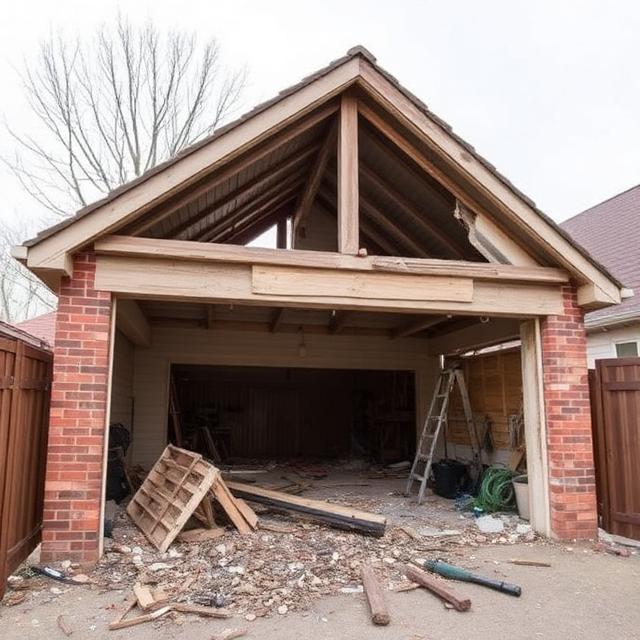
Garage Demolition Process: 8 Essential Steps Before You Knock It Down
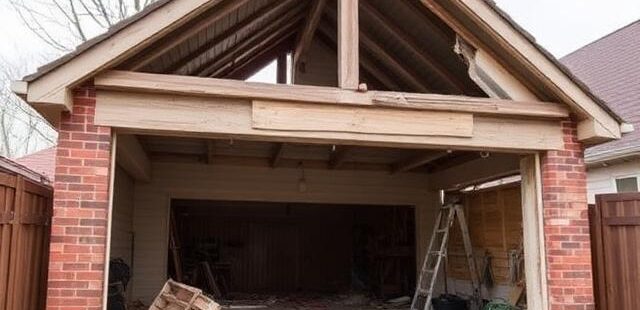
Removing an old garage may appear straightforward, but a successful garage demolition process involves much more than knocking down walls. Hidden asbestos, structural hazards, underground services and waste disposal requirements can all create delays if they are not identified before work begins.
Whether you’re planning to build an extension, create a larger driveway or prepare land for redevelopment, understanding the garage demolition process helps you avoid unexpected costs and ensures the project is completed safely and legally.
This guide explains every stage of professional garage demolition, the most common problems contractors encounter and why proper planning makes all the difference.
Why Skipping Pre-Demolition Checks Can Delay Your Project
One of the biggest mistakes homeowners make is assuming demolition can begin immediately.
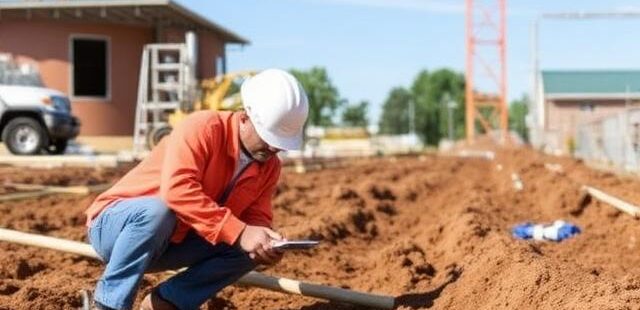
Professional demolition contractors first assess the garage and surrounding area to identify risks that could affect safety or project timelines.
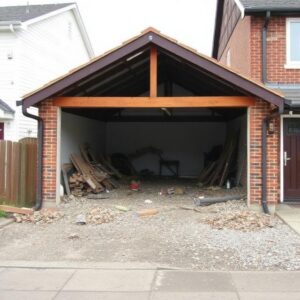
Key checks include:
- Structural condition
- Building materials
- Utility connections
- Shared walls
- Site access
- Waste removal requirements
Identifying these issues early prevents unexpected delays once demolition starts.
Site Inspection Identifies Hidden Risks Before Demolition Begins
A detailed site inspection is an essential part of the garage demolition process.
Checking for Asbestos
Many garages built before the year 2000 contain asbestos cement roofing or wall panels. If asbestos is suspected, specialist testing and licensed removal may be required before demolition can proceed.
Locating Underground Utilities
Garages often have electricity, water or drainage connections. Contractors must isolate these services before demolition to prevent damage and ensure the site remains safe.
Assessing Access for Machinery
Restricted driveways, neighbouring properties or limited working space may determine the type of equipment used during demolition.
Safe Demolition Methods Protect Nearby Structures
Not every garage is demolished in the same way.
The demolition method depends on factors such as:
- Garage construction
- Distance from neighbouring buildings
- Access restrictions
- Presence of hazardous materials
Professional contractors dismantle the structure in a controlled sequence rather than simply knocking it down. This approach minimises dust, vibration and the risk of damage to surrounding properties.
Waste Removal Is a Major Part of the Garage Demolition Process
Demolition generates large amounts of waste that must be managed responsibly.
Materials commonly removed include:
- Concrete
- Bricks
- Timber
- Roofing materials
- Metals
- Rubble
Professional contractors separate recyclable materials wherever possible and dispose of remaining waste through licensed waste facilities, helping to reduce environmental impact and maintain legal compliance.
Hidden Problems That Can Increase Demolition Costs
Many delays occur because hidden issues are only discovered after demolition begins.
Common challenges include:
Unexpected Foundations
Older garages often have substantial concrete foundations that require additional excavation before new construction can begin.
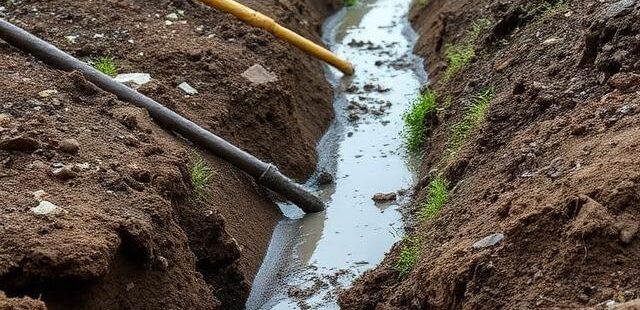
Underground Drainage
Existing drainage pipes or inspection chambers may need protecting, relocating or repairing during demolition.
Structural Connections
Attached garages may share walls or structural elements with the main property, requiring careful demolition techniques to avoid damaging the house.
Planning for these issues reduces the likelihood of costly interruptions.
Preparing the Site for Future Construction
Demolishing the garage is only part of the overall project.
Once the structure has been removed, the site often requires:
- Foundation removal
- Ground levelling
- Site clearance
- Excavation
- Soil compaction
- Drainage improvements
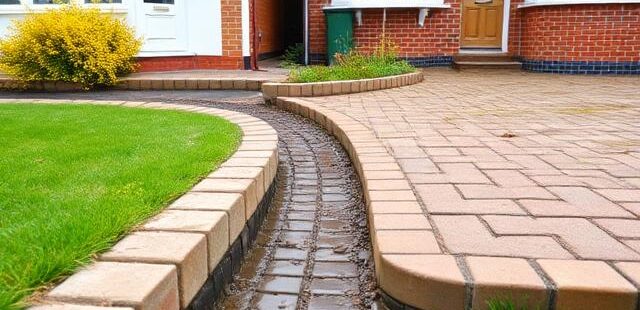
Proper ground preparation ensures the land is ready for extensions, driveways or landscaping without future stability issues.
Why Professional Garage Demolition Improves Safety
Attempting DIY demolition can expose homeowners to unnecessary risks.
Professional contractors follow strict safety procedures, including:
- Controlled demolition techniques
- Dust suppression measures
- Safe machinery operation
- Protective equipment
- Waste handling regulations
- Secure working areas
These practices reduce the risk of accidents while ensuring compliance with UK health and safety standards.
Choosing the Right Contractor for Garage Demolition
Selecting an experienced contractor is just as important as planning the project itself.
Look for a company that offers:
- Garage demolition experience
- Groundwork expertise
- Site clearance services
- Excavation capabilities
- Licensed waste disposal
- Appropriate insurance
- Knowledge of UK regulations
- Positive local reputation
A contractor with demolition and groundwork experience can also prepare the site for the next phase of construction, saving time and reducing overall project costs.
Conclusion:
The garage demolition process involves far more than removing an old structure. From pre-demolition surveys and asbestos checks to controlled demolition, waste management and site preparation, every stage plays an important role in ensuring the project is completed safely and efficiently.
By working with experienced demolition specialists, homeowners can avoid unexpected delays, minimise risks and prepare their property for its next stage of development with confidence.
Frequently Asked Questions
Do I need permission before demolishing a garage?
In many cases, planning permission is not required, but this depends on factors such as the property’s location, the type of garage and local planning regulations. It’s always advisable to check with your local authority before work begins.
How long does the garage demolition process take?
Most detached garages can be demolished within one to three days, although projects involving asbestos removal or difficult access may take longer.
Can a garage with asbestos be demolished?
Yes, but asbestos-containing materials must be identified and removed safely before demolition continues, following UK regulations.
What happens to the waste after garage demolition?
Professional contractors sort recyclable materials where possible and dispose of remaining waste through licensed recycling and waste management facilities.
What should happen after a garage is demolished?
After demolition, the site is typically cleared, levelled and prepared for future work such as a house extension, driveway installation, landscaping or new foundations.