How Site Clearance Works: The Essential First Step Before Any Project
No successful construction project begins with laying foundations or pouring concrete. It starts with site clearance, a critical process that prepares land for safe, efficient and compliant development.
Whether you’re building a house extension, developing a commercial site or replacing an existing structure, overlooking site clearance can lead to hidden obstacles, unexpected delays and expensive structural issues later in the project.
This guide explains how site clearance works, what it involves and why investing in professional site preparation protects your budget, timeline and long-term construction success.
Why Site Clearance Is More Than Simply Removing Waste
Many people assume site clearance only involves clearing vegetation or disposing of rubbish. In reality, it’s a carefully planned process that ensures the entire site is suitable for construction.

Professional site clearance helps identify and remove:
- Trees and overgrown vegetation
- Existing buildings or structures
- Old foundations
- Construction debris
- Contaminated materials
- Underground obstructions
- Unstable ground
Failing to address these issues before excavation begins often results in project delays, redesigns and increased construction costs.
Site Surveys Identify Hidden Problems Before Clearance Begins
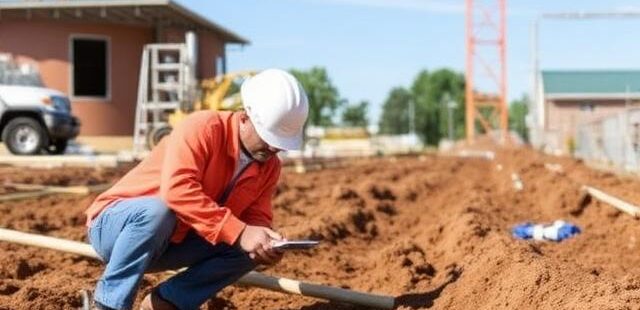
Before machinery arrives on site, experienced groundwork contractors carry out detailed site assessments.
These surveys help identify potential risks that may affect excavation and foundation work.
Underground Utilities
Existing water pipes, gas mains, electrical cables and drainage systems must be located before excavation begins to prevent costly damage and safety hazards.
Ground Conditions
Soil stability, groundwater levels and previous land use determine how the site should be prepared for future construction.
Environmental Considerations
Protected trees, ecological constraints or contaminated land may require specialist clearance methods to comply with environmental regulations.
Identifying these issues early allows contractors to plan the safest and most efficient approach.
Vegetation and Structural Removal Create a Safe Working Area
Once planning is complete, contractors begin removing anything that could interfere with construction.
This stage commonly includes:
Tree and Vegetation Clearance
Shrubs, trees, hedges and invasive plants are removed to provide unrestricted access for excavation equipment.
Demolition of Existing Structures
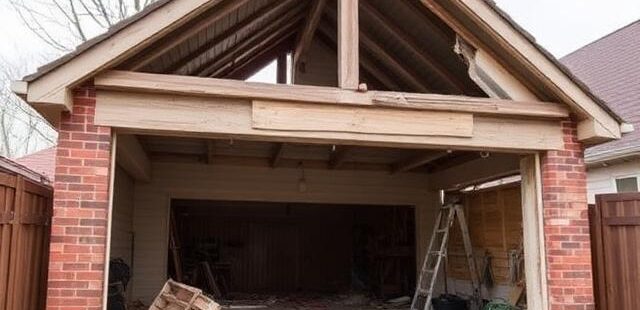
Garages, sheds, walls or redundant buildings may be demolished before groundwork can commence.
Waste Segregation and Disposal
Materials are sorted for recycling where possible, while hazardous waste is disposed of in accordance with environmental regulations.
Responsible waste management helps reduce landfill while keeping the site safe for ongoing work.
Ground Preparation Ensures Construction Can Begin Safely
After visible obstacles have been removed, contractors prepare the ground for excavation and foundation installation.
Ground preparation may include:
- Levelling uneven surfaces
- Removing soft or unstable soil
- Compacting engineered fill
- Establishing temporary access routes
- Improving site drainage where required
Proper ground preparation reduces the likelihood of settlement, standing water and future structural movement.
Why Poor Site Clearance Can Delay Construction
Attempting to reduce costs by rushing site clearance often creates larger problems once construction begins.
Some of the most common issues include:
- Hidden concrete beneath the surface
- Undiscovered drainage systems
- Unstable soil conditions
- Buried waste materials
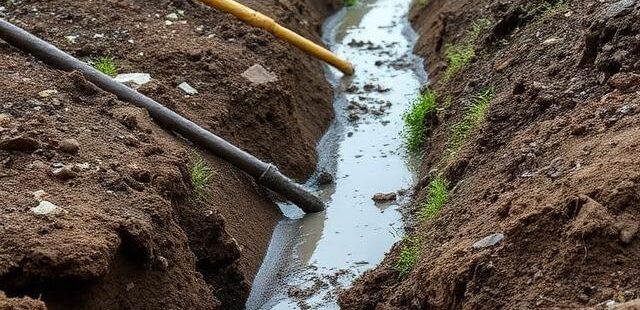
- Flooding caused by inadequate drainage
- Delays during Building Control inspections
Addressing these challenges after excavation has started usually results in additional labour, equipment hire and material costs.
Health and Safety Plays a Major Role in Site Clearance
Professional site clearance isn’t just about preparing land—it’s also about protecting everyone working on the project.
Experienced contractors follow strict health and safety procedures, including:
- Risk assessments
- Safe demolition methods
- Controlled machinery operation
- Dust suppression measures
- Waste management protocols
- Secure site access
These practices minimise accidents while ensuring compliance with UK construction regulations.
Why Professional Site Clearance Saves Time and Money
Although professional site clearance represents an upfront investment, it often reduces overall project costs.
Effective planning helps:
- Prevent excavation delays
- Reduce unexpected discoveries
- Protect underground utilities
- Improve foundation stability
- Streamline inspections
- Keep construction on schedule
Well-prepared sites allow every stage of the project to progress more efficiently.
Choosing the Right Contractor for Site Clearance
Not every contractor has the equipment or expertise required for comprehensive site clearance.
When comparing providers, consider whether they offer:
- Extensive groundwork experience
- Excavation and demolition expertise
- Waste removal and recycling
- Drainage knowledge
- Modern machinery
- Health and safety compliance
- Full insurance
- Experience across residential and commercial projects
Working with an experienced contractor helps ensure the site is fully prepared before construction begins.
Conclusion:
Site clearance is one of the most important stages of any construction project. It removes physical obstacles, identifies hidden risks and creates a stable, compliant environment for excavation and foundation work.
Skipping or rushing this process can lead to avoidable delays, unexpected costs and structural issues that affect the entire build. By investing in professional site clearance, property owners can improve safety, reduce project risks and create the right conditions for successful construction from day one.
Frequently Asked Questions
What is site clearance?
Site clearance is the process of preparing land for construction by removing vegetation, structures, waste, underground obstructions and other hazards that could affect development.
Why is site clearance important?
It ensures the site is safe, accessible and suitable for construction while reducing the risk of delays, structural issues and unexpected costs.
Does site clearance include demolition?
Yes. Where required, site clearance may include demolishing garages, sheds, walls or existing buildings before excavation begins.
How long does site clearance take?
The duration depends on the site’s size, existing structures and ground conditions. Small residential projects may take a few days, while larger commercial developments can take several weeks.
What happens after site clearance?
Once the site has been cleared and prepared, excavation, drainage installation and foundation work can begin safely and in accordance with construction plans.