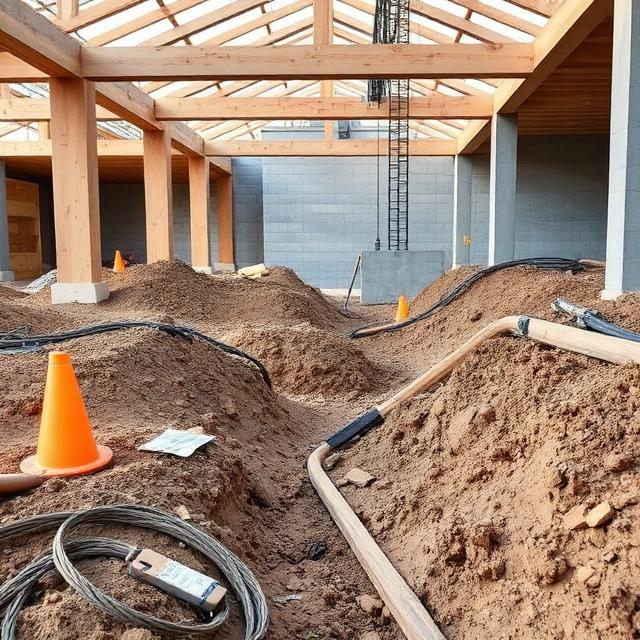
What Is Included in Groundworks? Everything You Need Before Any Construction Project
Every successful construction project starts long before concrete is poured or walls are built. Whether you’re planning a house extension, installing a new driveway, constructing a commercial building or developing land, groundworks services create the stable foundation that everything else depends on.
Many property owners assume groundworks simply involve digging holes. In reality, poor preparation can lead to drainage failures, cracked foundations, structural movement and expensive repairs that could have been prevented.
Understanding what is included in groundworks helps you avoid costly mistakes while ensuring your project meets building regulations from the very beginning.
Why Groundworks Are More Than Just Excavation
Groundworks are the preparation and construction activities carried out before the main building work begins. Their purpose is to create a safe, stable and well-drained base capable of supporting the entire structure for decades.
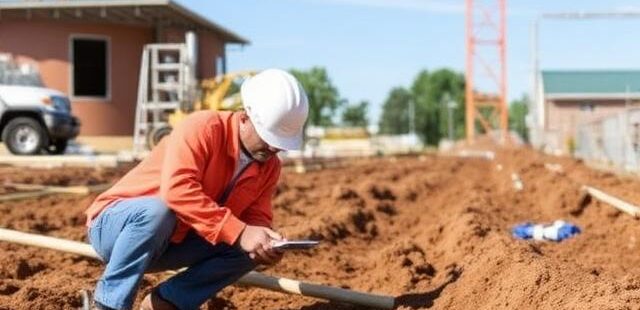
Professional groundwork contractors evaluate existing ground conditions, identify hidden risks and prepare the site to suit the proposed construction.
Skipping or rushing these stages often results in:
- Foundation settlement
- Standing water around the property
- Drainage failures
- Structural cracking
- Delays caused by failed building inspections
- Increased construction costs
Investing in quality groundworks services significantly reduces these risks.
Site Clearance: Solving Problems Before Construction Begins
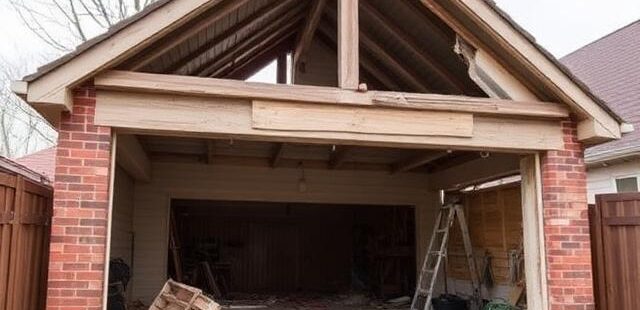
The first stage of any groundwork project is site clearance.
Before machinery can excavate foundations, contractors remove everything that may affect construction, including:
- Trees and vegetation
- Old concrete
- Existing foundations
- Garden structures
- Construction waste
- Unstable soil
- Buried obstructions
Ignoring hidden obstacles often leads to machinery delays, unexpected costs and redesigns once excavation has started.
Professional site clearance allows the entire project to progress safely and efficiently.
Excavation: Preparing the Ground Correctly
Excavation is one of the most recognised parts of groundworks, but it involves much more than digging.
Depending on the project, excavation may include:
Foundation Excavation
Excavating trenches or pads for new house foundations, extensions or commercial buildings.
Bulk Excavation
Removing large quantities of earth to achieve the required site levels.
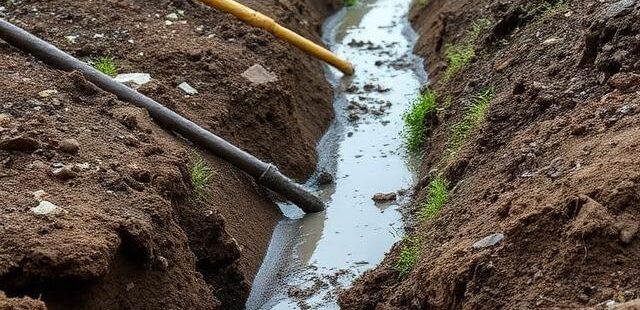
Trench Excavation
Installing service trenches for utilities including water, electricity, gas and telecommunications.
Experienced excavation contractors continuously assess soil conditions throughout the process, as unstable ground may require design adjustments before construction continues.
Foundations: The Most Critical Stage of Groundworks
No building performs better than the foundations beneath it.
Groundwork contractors construct foundations that distribute structural loads safely into the ground while complying with engineering specifications and UK Building Regulations.
Foundation work commonly includes:
- Strip foundations
- Trench-fill foundations
- Raft foundations
- Pad foundations
- Reinforced concrete bases
Poorly installed foundations often result in movement, subsidence and expensive structural repairs years later.
Drainage Installation Prevents Future Property Damage
Drainage is one of the most overlooked aspects of groundworks services, yet it protects buildings throughout their lifespan.
Groundwork contractors install systems that safely manage both foul water and surface water.
Typical drainage works include:
- New drainage systems
- Land drainage
- Surface water drainage
- Soakaways
- Inspection chambers
- Manholes
- Drain connections
- Pipe installation
Without effective drainage, excess water can weaken foundations, flood gardens and damage driveways.
Ground Preparation Creates Long-Term Stability
After excavation and drainage, contractors prepare the ground to support future construction.
This stage may include:
Soil Stabilisation
Weak ground is strengthened before construction begins.
Compaction
Layers of engineered fill are compacted to reduce future settlement.
Sub-base Installation
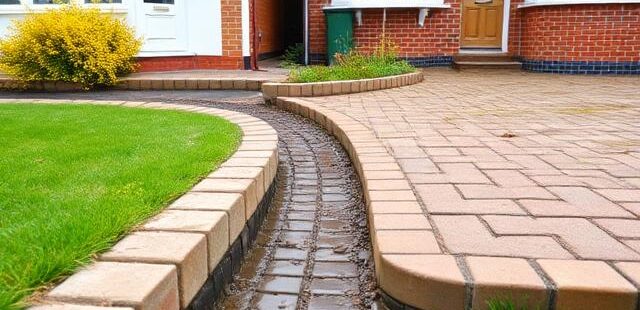
Driveways, patios and roads require carefully compacted sub-bases before surface materials are installed.
Insufficient ground preparation often causes paving movement, cracked concrete and uneven surfaces.
Utility Installation Before Construction Progresses
Many essential services are installed during the groundwork phase, including:
- Water supply pipes
- Electrical ducting
- Gas connections
- Fibre optic ducts
- Sewer connections
Installing these systems early prevents disruptive excavation after construction has finished.
Common Groundwork Problems That Increase Project Costs
Many homeowners only discover groundwork issues once construction has already started.
Some of the most common problems include:
Poor Soil Conditions
Soft or unstable ground may require additional excavation or engineered foundations.
Hidden Drainage Issues
Existing damaged drains can delay construction and increase repair costs.
High Water Tables
Groundwater may require specialist drainage solutions before foundation work can continue.
Unexpected Underground Obstructions
Old foundations, buried concrete or previous structures often require additional excavation.
An experienced groundwork contractor identifies these risks early through careful site assessment, helping prevent delays and budget overruns.
Choosing the Right Groundwork Contractor
Groundworks determine the quality of everything built afterwards, making contractor selection one of the most important decisions of your project.
Look for contractors who provide:
- Extensive groundworks services experience
- Domestic and commercial expertise
- Modern excavation equipment
- Drainage installation knowledge
- Fully insured services
- Compliance with UK Building Regulations
- Transparent quotations
- Proven local project experience
A reputable contractor focuses on solving site-specific challenges rather than applying the same approach to every project.
Conclusion:
Groundworks involve far more than excavation. From site clearance and foundation excavation to drainage installation, utility preparation and ground stabilisation, every stage plays a vital role in creating a safe, durable and compliant construction project.
Attempting to reduce costs by cutting corners during the groundwork phase often leads to significantly higher repair expenses later. Choosing experienced groundwork services ensures your project starts with the right foundations – both literally and structurally.
Frequently Asked Questions
What is included in groundworks?
Groundworks typically include site clearance, excavation, foundations, drainage installation, utility trenches, soil stabilisation, ground preparation and sub-base construction before the main build begins.
Why are groundworks important?
Groundworks services provide structural stability, improve drainage, reduce settlement and ensure the site is ready for safe construction.
How long do groundworks take?
Most domestic groundwork projects take between one and three weeks, although larger commercial developments may require considerably longer depending on site conditions.
Can poor groundworks cause structural problems?
Yes. Inadequate excavation, poorly compacted ground or ineffective drainage can lead to foundation movement, cracking, water ingress and costly structural repairs.
When should a groundwork contractor be hired?
A groundwork contractor should be involved during the planning stage so potential site risks can be identified before construction begins, helping avoid delays and unexpected costs.