Signs of Drainage Problems in Yorkshire: Warning Signs Every Property Owner Should Know
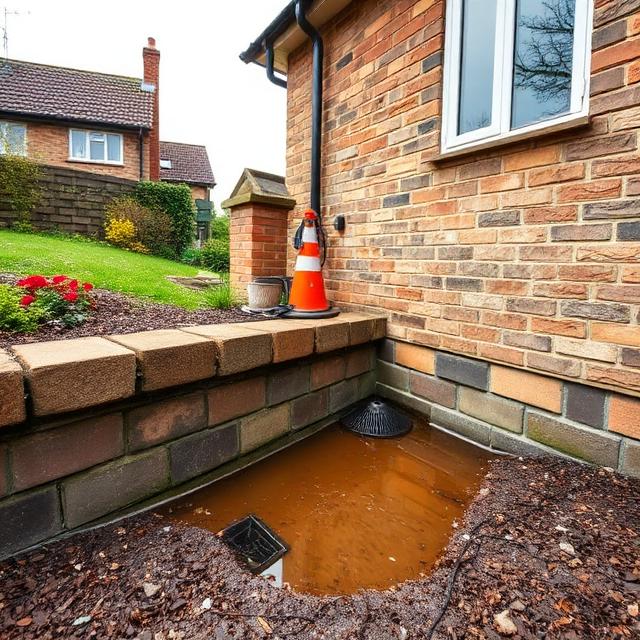
Drainage issues rarely develop overnight. In most cases, properties show early warning signs long before blocked pipes, flooding or structural damage become serious problems. Unfortunately, many homeowners ignore these symptoms until repairs become expensive and disruptive. Because of Yorkshire’s heavy rainfall, clay-rich soils and ageing drainage infrastructure, drainage problems in Yorkshire are more common than many people realise. Whether you own a residential property or manage commercial premises, recognising these warning signs early can prevent extensive repairs and protect your property’s foundations.
This guide explains the most common indicators of drainage issues, why they occur and when professional intervention becomes essential.
Persistent Standing Water Around Your Property Could Signal Drainage Problems
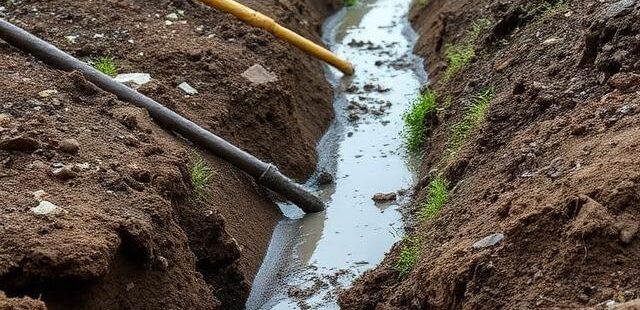
After rainfall, it’s normal to see small puddles that disappear quickly. However, if water remains for several hours or even days, your drainage system may no longer be functioning correctly.
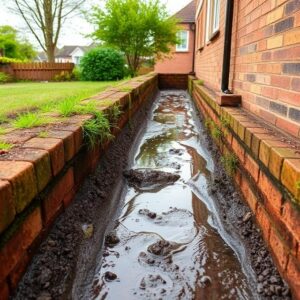
Standing water often indicates:
- Blocked drainage channels
- Collapsed underground drains
- Poor ground grading
- Damaged soakaways
- Surface water drainage failure
Ignoring this problem allows water to penetrate surrounding soil, increasing pressure on foundations and creating long-term structural risks.
Slow Draining Sinks and Toilets May Point to Underground Drainage Issues
Many property owners assume a slow-draining sink is caused by grease or hair. While this is sometimes true, multiple slow-draining fixtures often indicate a larger underground problem.
Common causes include:
Partial Drain Blockages
Accumulated debris gradually restricts water flow before complete blockage occurs.
Tree Root Intrusion
Tree roots naturally seek moisture and frequently enter cracked drainage pipes, restricting water movement.
Collapsed Drain Pipes
Older drainage systems throughout Yorkshire can deteriorate over time, causing sections of pipe to collapse beneath the ground.
Professional drainage inspections can identify these hidden issues before they require emergency excavation.
Damp Patches and Mould Growth Should Never Be Ignored
One of the clearest signs of drainage problems in Yorkshire is persistent damp around walls, floors or external brickwork.
Poor drainage allows moisture to collect around your property instead of flowing safely away.
Typical warning signs include:
- Damp internal walls
- Peeling paint
- Black mould
- Musty odours
- Wet patches near foundations
While condensation can contribute to dampness, drainage failures often become the underlying cause when symptoms repeatedly return after treatment.
Unpleasant Odours Often Indicate Hidden Drainage Problems
Healthy drainage systems should transport wastewater without noticeable smells.
If unpleasant odours regularly appear around:
- Inspection chambers
- Garden drains
- External gullies
- Bathrooms
- Kitchens
there may be damaged pipework, blocked drains or leaking underground connections requiring professional attention.
Ignoring foul smells can allow drainage defects to worsen unnoticed.
Cracks Around Your Property Could Be Linked to Poor Drainage
Many homeowners associate wall cracks with natural settlement. However, excess water surrounding foundations can wash away supporting soil or weaken ground stability.
Watch for:
- New foundation cracks
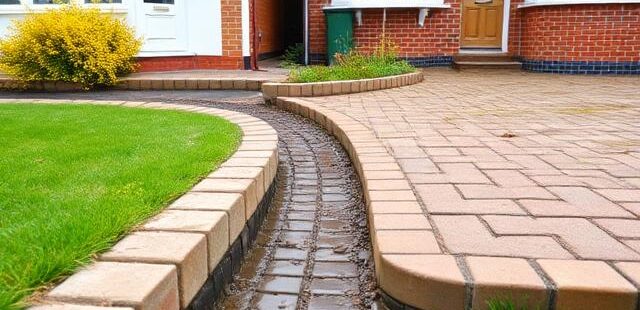
- Uneven paving
- Sunken patios
- Driveway movement
- Gaps around external walls
Addressing drainage problems in Yorkshire early can often prevent further structural movement and reduce future repair costs.
Gardens That Stay Waterlogged Throughout the Year
If sections of your lawn remain saturated even during dry periods, your drainage system may no longer be removing groundwater effectively.
Poor garden drainage commonly results from:
- Blocked land drains
- Ineffective soakaways
- Heavy clay soils
- Compacted ground
- Surface water pooling
Long-term waterlogging damages lawns, planting areas and landscaping while making outdoor spaces difficult to use.
Why Yorkshire Properties Experience More Drainage Problems
Several regional factors increase the likelihood of drainage failures across Yorkshire.
These include:
- Frequent heavy rainfall
- Clay-based soils with poor natural drainage
- Older underground drainage infrastructure
- Mature trees affecting pipework
- Expanding residential developments placing additional pressure on existing drainage systems
Understanding these local conditions helps property owners identify problems before they become emergencies.
When Should You Contact a Drainage Specialist?
Waiting until drains completely fail usually leads to larger repair bills.
Professional drainage contractors should be contacted if you notice:
- Repeated drain blockages
- Persistent standing water
- Unpleasant drain odours
- Damp patches returning after repairs
- Foundation movement
- Waterlogged gardens throughout the year
Early inspections can identify damaged pipes, collapsed drains or drainage design issues before they affect your property’s structural integrity.
Conclusion:
Most drainage problems in Yorkshire begin with small warning signs that are easy to overlook. Persistent puddles, slow-draining fixtures, damp walls, unpleasant smells and recurring waterlogged gardens all indicate that your drainage system may require professional attention.
By acting early, property owners can avoid unnecessary excavation, protect foundations and reduce long-term maintenance costs. Regular inspections and prompt repairs not only improve drainage performance but also safeguard the value and safety of your property for years to come.
Frequently Asked Questions
What causes drainage problems in Yorkshire?
Heavy rainfall, clay soils, ageing drainage systems, tree root intrusion and blocked drains are among the most common causes.
Can drainage problems damage foundations?
Yes. Poor drainage allows excess water to collect around foundations, increasing the risk of soil movement, settlement and structural cracking.
How can I tell if my underground drains are damaged?
Recurring blockages, foul smells, slow drainage, damp patches and unexplained sinkholes can all indicate damaged underground pipework.
Should standing water always be investigated?
Yes. Water that remains after rainfall often suggests drainage failure and should be professionally assessed before it causes further damage.
How can professional drainage contractors identify hidden drainage problems?
Specialists use techniques such as CCTV drain surveys, drain tracing and detailed site inspections to locate blockages, collapsed pipes and drainage defects without unnecessary excavation.