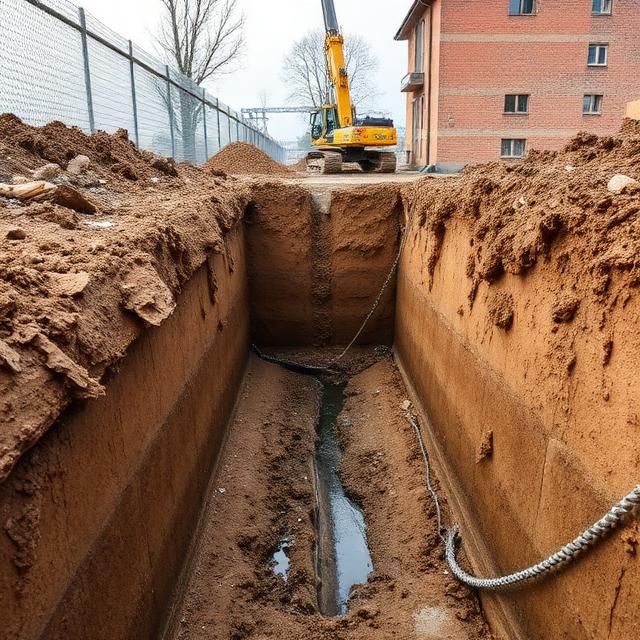
Foundation Excavation Explained: Everything You Need to Know Before Building
Every successful construction project begins below ground level. While most people focus on the finished structure, the long-term stability of any building depends on one critical stage – foundation excavation.
Whether you’re building a new home, adding an extension or developing a commercial property, poor excavation can lead to structural movement, drainage issues and costly repairs. That’s why understanding foundation excavation explained is essential before construction begins.
This guide explains how foundation excavation works, the challenges contractors face and why professional site preparation is crucial for a safe and durable build.
Why Foundation Excavation Is the First Step Towards a Stable Structure
Foundation excavation involves removing soil to create trenches or excavated areas where foundations can be safely constructed. The excavation must reach stable ground capable of supporting the weight of the proposed structure.
Professional groundwork contractors don’t simply dig to a standard depth. They assess:
- Soil conditions
- Ground stability
- Existing utilities
- Water table levels
- Building design requirements
- Local ground conditions
Excavating to the wrong depth or disturbing unstable soil can compromise the entire project before construction even begins.
Site Investigations Help Prevent Costly Excavation Problems
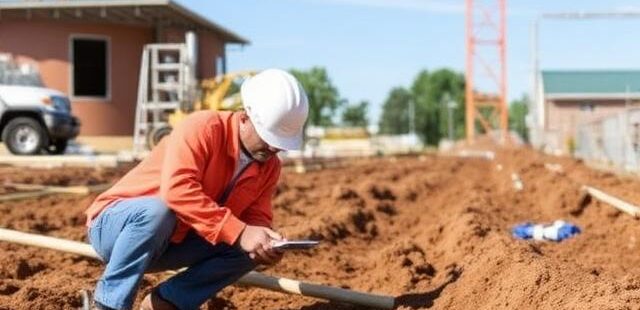
Before excavation starts, experienced contractors carry out detailed site assessments to identify risks hidden below the surface.
These investigations often reveal:
Poor Ground Conditions
Soft or made-up ground may require deeper excavation or engineered foundation solutions.
Underground Utilities
Water mains, gas pipes, electrical cables and drainage systems must be accurately located before machinery begins work.
Groundwater Issues
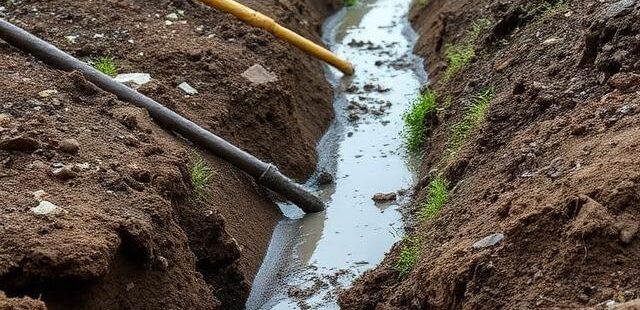
High groundwater levels can cause excavated trenches to collapse or fill with water, delaying construction and increasing costs.
Identifying these risks early helps avoid unexpected delays and expensive redesigns.
How the Foundation Excavation Process Works
Although every project is different, professional foundation excavation generally follows a structured process.
Setting Out the Site
Contractors accurately mark the building footprint using engineering drawings to ensure foundations are excavated in the correct locations.
Excavating Foundation Trenches
Excavators remove soil to the required depth and width while maintaining safe trench profiles.
Ground Inspection
Building Control or structural engineers inspect the excavation before concrete is poured to confirm suitable bearing ground has been reached.
Preparing for Concrete Foundations
Loose material is removed, trench bases are cleaned and any required reinforcement is installed before foundations are constructed.
Each stage ensures the foundations perform exactly as intended throughout the building’s lifespan.
Common Problems That Can Delay Foundation Excavation
Many construction delays occur during excavation because hidden site conditions only become visible once digging begins.
Some of the most common issues include:
Unstable Soil
Weak or waterlogged ground may require additional excavation or specialist foundation designs.
Tree Root Systems
Large root networks can affect soil stability and may require careful removal without damaging nearby structures.
Existing Foundations
Old buildings often leave buried concrete or masonry that must be removed before new work can continue.
Unexpected Drainage Systems
Historic drains and redundant pipework frequently appear during excavation and may require relocation.
Experienced excavation contractors anticipate these challenges and adapt quickly to minimise disruption.
Why Accurate Foundation Excavation Protects Your Investment
Incorrect excavation is one of the leading causes of future structural issues.
Professionally completed foundation excavation helps prevent:
- Foundation settlement
- Structural cracking
- Uneven floors
- Water ingress
- Drainage failures
- Building movement
- Expensive remedial works
Although excavation is only one phase of construction, it directly affects every stage that follows.
Choosing the Right Contractor for Foundation Excavation
Foundation excavation requires specialist knowledge, appropriate machinery and a clear understanding of ground conditions.
When selecting a contractor, look for:
- Proven excavation experience
- Domestic and commercial expertise
- Modern excavation equipment
- Knowledge of UK Building Regulations
- Drainage and groundwork experience
- Comprehensive insurance
- Transparent quotations
- Strong local reputation
Working with experienced groundwork professionals reduces risk while ensuring the project progresses safely and efficiently.
Why Foundation Excavation Matters More in Yorkshire
Ground conditions across Yorkshire vary significantly due to clay soils, sandstone, former industrial land and areas affected by historical mining activity.
These conditions make thorough site assessments particularly important before excavation begins.
Professional contractors understand local geology and adapt excavation methods to suit each site’s specific requirements, helping ensure long-term structural stability.
Conclusion:
Understanding foundation excavation explained goes far beyond simply digging trenches. It involves careful planning, detailed site investigations, accurate excavation and ongoing inspections to create foundations capable of supporting a structure for decades.
Attempting to reduce costs during this stage often leads to expensive structural repairs later. By investing in professional foundation excavation, property owners can minimise construction risks, comply with Building Regulations and create a stable base for every successful project.
Frequently Asked Questions
What is foundation excavation?
Foundation excavation is the process of removing soil to create stable trenches or excavated areas where building foundations are constructed.
How deep should foundation excavation be?
The required depth depends on soil conditions, building design, nearby trees and local Building Regulations. A professional site assessment determines the correct depth.
Why is foundation excavation important?
Proper excavation ensures foundations are built on stable ground, reducing the risk of settlement, cracking and long-term structural movement.
What problems can occur during foundation excavation?
Common issues include unstable soil, groundwater, buried utilities, tree roots, existing foundations and unexpected drainage systems.
How long does foundation excavation take?
Most domestic foundation excavation projects take between one and five days, although larger commercial developments or difficult ground conditions may require longer.