Resin vs Block Paving: Which Driveway Is the Better Investment for Your Property?
Choosing a new driveway is about more than improving kerb appeal. The wrong surface can lead to standing water, weeds, cracks, ongoing maintenance and costly repairs within a few years. That’s why many homeowners compare Resin vs Block Paving before making a decision.
Both options are attractive, durable and suitable for residential properties, but they perform differently depending on your budget, maintenance expectations and ground conditions.
This guide compares Resin vs Block Paving across cost, durability, drainage, installation and long-term value to help you make an informed decision.
Why Choosing the Wrong Driveway Surface Can Become an Expensive Mistake
A driveway experiences constant pressure from vehicles, changing weather conditions and everyday use. If the surface isn’t suited to your property or installed on a poorly prepared base, problems can develop quickly.
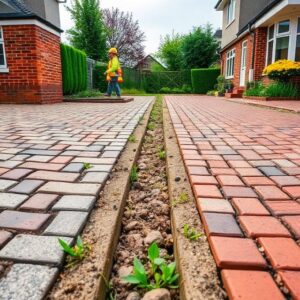
Common issues include:
- Cracked surfaces
- Weed growth
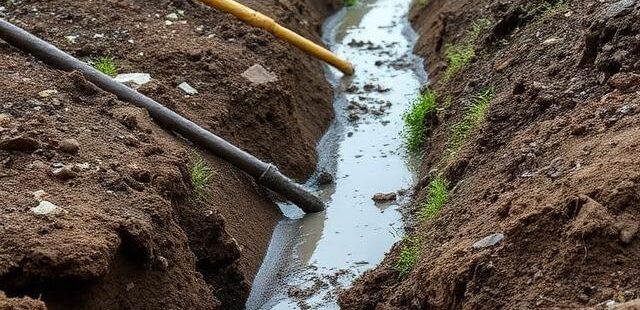
- Poor drainage
- Surface movement
- Loose paving
- Standing water
- Expensive repairs
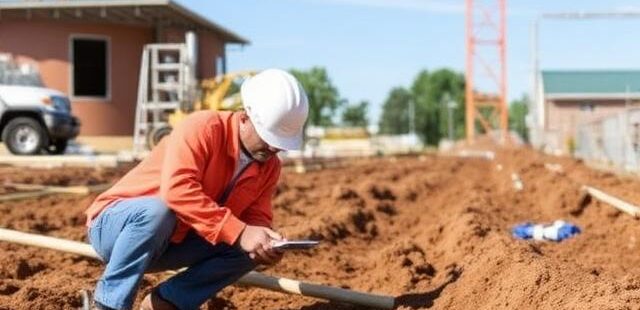
Professional groundwork preparation is just as important as the driveway material itself.
Resin Driveways: A Modern Solution for Low-Maintenance Properties
Resin-bound driveways have become increasingly popular because of their clean appearance and permeability.
Advantages of Resin Driveways
- Smooth contemporary finish
- Excellent surface water drainage
- Weed-resistant surface
- UV-stable colour options
- Low maintenance requirements
- Suitable for Sustainable Drainage Systems (SuDS)
Because water drains through the surface, resin driveways help reduce puddles and surface flooding—particularly beneficial for many Yorkshire properties that experience frequent rainfall.
Potential Drawbacks of Resin
Although durable, resin surfaces require professional installation. Poor preparation or incorrect mixing can lead to cracking, loose stones or premature failure.
Block Paving Offers Flexibility and Timeless Appeal
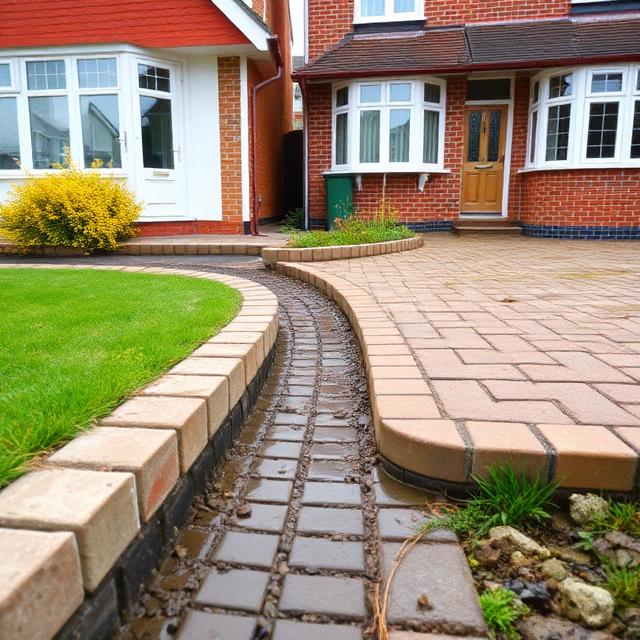
Block paving remains one of the UK’s most popular driveway choices because of its versatility and traditional appearance.
Advantages of Block Paving
- Wide choice of colours and patterns
- Individual blocks are easy to replace
- Long service life when properly installed
- Suitable for both traditional and modern properties
- Can increase kerb appeal
For homeowners wanting a bespoke driveway design, block paving provides greater flexibility than many alternative materials.
Potential Drawbacks of Block Paving
Without regular maintenance, joints may encourage:
- Weed growth
- Moss build-up
- Jointing sand loss
- Minor surface movement over time
Routine cleaning and occasional re-sanding help maintain its appearance and structural performance.
Resin vs Block Paving: Which Handles Yorkshire Weather Better?
Yorkshire’s climate plays an important role when selecting a driveway material.
Heavy rainfall, freezing temperatures and changing ground conditions can affect driveway performance over time.
Resin Performs Well in Wet Conditions
Because resin-bound surfaces are permeable, rainwater drains naturally through the surface rather than pooling.
This reduces:
- Standing water
- Ice formation
- Surface flooding
Block Paving Requires Proper Drainage Design
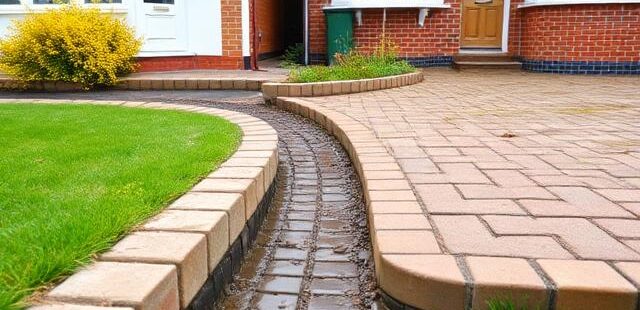
Although block paving itself is durable, poor installation or inadequate drainage may allow water to collect between joints or around the driveway edges.
Professional groundwork preparation ensures either surface performs effectively.
Comparing Maintenance Requirements Before You Decide
Maintenance often becomes the deciding factor when comparing Resin vs Block Paving.
Resin Driveways
Typically require:
- Occasional sweeping
- Pressure washing when necessary
- Minimal weed removal
Block Paving
Usually requires:
- Regular brushing
- Replacing jointing sand
- Weed control
- Occasional lifting and re-levelling if movement occurs
Neither option is maintenance-free, but resin generally requires less ongoing attention.
Which Driveway Offers Better Long-Term Value?
Many homeowners focus solely on installation cost. However, long-term ownership costs often provide a more accurate comparison.
Resin driveways may involve a higher initial investment but usually require fewer repairs and less maintenance.
Block paving often has a lower installation cost depending on the design, while offering the advantage of replacing individual damaged blocks instead of resurfacing an entire area.
The best value depends on your property’s drainage, intended use and maintenance preferences.
How to Choose Between Resin vs Block Paving
The right choice depends on your priorities.
Choose resin if you want:
- A modern appearance
- Low maintenance
- Excellent drainage
- Smooth finishes
Choose block paving if you prefer:
- Traditional styling
- Decorative patterns
- Easy localised repairs
- Design flexibility
An experienced groundwork contractor can assess your site conditions and recommend the most suitable solution based on drainage, sub-base requirements and expected vehicle use.
Conclusion:
The debate around Resin vs Block Paving doesn’t have a universal winner. Both materials deliver excellent results when installed on properly prepared ground by experienced professionals.
For properties across Yorkshire, ground conditions and drainage often influence performance as much as the driveway material itself. Investing in professional site preparation, quality installation and the right surface for your property’s needs will provide the best long-term return while enhancing your home’s appearance and value.