Groundwork Mistakes That Delay Construction: What Every Property Owner Should Avoid
Construction projects rarely fall behind schedule because of the building itself. More often, delays begin before the first brick is laid due to avoidable groundwork mistakes.
From inaccurate site surveys to poor drainage planning and inadequate excavation, errors during the groundwork phase can lead to increased costs, failed inspections and structural issues that take weeks – or even months – to resolve.
Whether you’re planning a house extension, a new-build property or a commercial development, understanding the most common groundwork mistakes can help keep your project on time and within budget.
Skipping a Proper Site Investigation Creates Problems Before Work Even Begins
One of the biggest groundwork mistakes is starting excavation without fully understanding the site’s conditions.
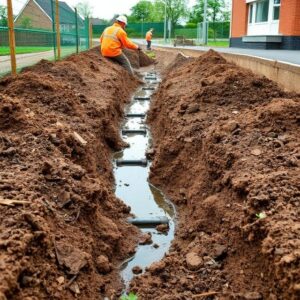
Every plot is different, and hidden issues beneath the surface can quickly disrupt construction.
Professional site investigations identify:
- Soil stability
- Groundwater levels
- Existing drainage systems
- Underground utilities
- Previous foundations
- Ground contamination
Without this information, contractors may encounter unexpected obstacles that require redesigns, additional excavation or specialist engineering solutions.
Inadequate Drainage Planning Can Halt Construction Progress
Drainage is often treated as an afterthought, but poor planning can delay multiple stages of construction.
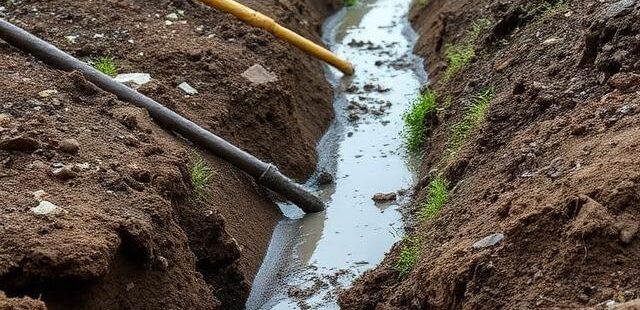
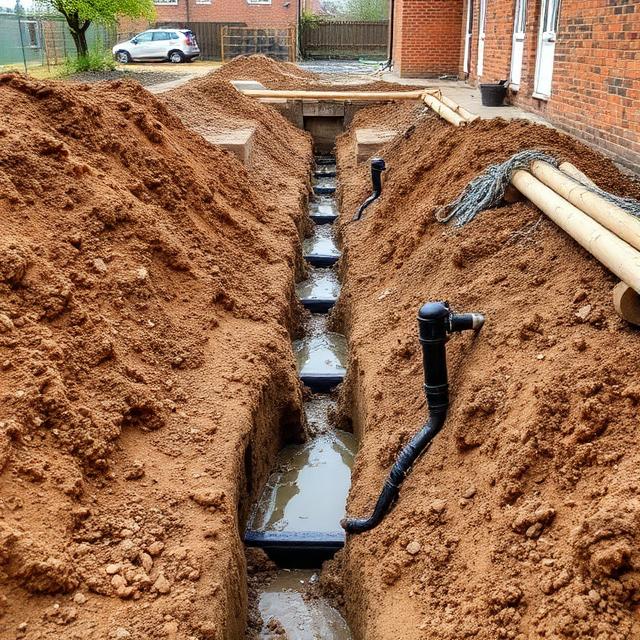
If rainwater isn’t managed correctly, excavation trenches can fill with water, foundations become unstable and Building Control inspections may fail.
Common drainage-related groundwork mistakes include:
Ignoring Surface Water Management
Poor site grading allows water to collect around excavation areas, increasing the risk of flooding and soil erosion.
Failing to Assess Existing Drainage Systems
Older drains or damaged pipework may require repairs before foundation work can continue safely.
Planning drainage from the beginning helps prevent unnecessary delays and protects the long-term performance of the property.
Incorrect Foundation Excavation Leads to Costly Rework
Excavation is far more than digging trenches.
Foundations must be excavated to the correct depth, width and bearing level based on structural drawings and site conditions.
Common excavation errors include:
- Digging too shallow
- Excavating unstable soil
- Uneven trench bases
- Damaging neighbouring structures
- Failing to remove loose material
Any of these mistakes can result in failed inspections, additional excavation and increased construction costs.
Poor Ground Compaction Causes Long-Term Structural Issues
Ground preparation is one of the most overlooked aspects of construction.
If fill materials are not compacted correctly, the ground may settle after construction has been completed.
Consequences include:
- Cracked driveways
- Uneven floors
- Foundation movement
- Sunken patios
- Structural cracking
Professional compaction ensures the site can safely support future loads while reducing the risk of movement.
Overlooking Underground Utilities Can Stop Work Immediately
Accidentally striking buried services is one of the most expensive groundwork mistakes contractors can make.
Underground services may include:
- Water mains
- Gas pipes
- Electrical cables
- Fibre optic networks
- Sewer connections
Damaging any of these can create serious safety risks while delaying construction until repairs and inspections are completed.
Utility surveys should always be carried out before excavation begins.
Using the Wrong Equipment Can Slow the Entire Project
Not every excavation project requires the same machinery.
Using equipment that is either too large or too small often reduces productivity and increases the likelihood of site damage.
Professional groundwork contractors select machinery based on:
- Site access
- Excavation depth
- Soil conditions
- Project scale
- Environmental restrictions
The right equipment improves efficiency while reducing unnecessary disruption.
Failing to Meet Building Regulations Creates Avoidable Delays
Building Control inspections are carried out throughout the groundwork process.
If excavation, drainage or foundations fail to meet regulations, work cannot continue until corrective action has been completed.
Common compliance issues include:
- Incorrect foundation depth
- Poor drainage installation
- Inadequate trench support
- Improper soil preparation
- Missing inspections
Working with experienced groundwork specialists helps ensure compliance from the outset.
Choosing Inexperienced Groundwork Contractors Often Costs More
Many property owners select contractors based solely on the lowest quotation.
However, inexperienced contractors may overlook critical groundwork requirements, leading to delays that exceed any initial savings.
When choosing a contractor, consider:
- Groundwork experience
- Excavation expertise
- Drainage knowledge
- Local project history
- Insurance cover
- Understanding of Building Regulations
- Transparent project planning
Experienced professionals anticipate site challenges before they become costly problems.
How Careful Groundwork Planning Keeps Construction on Schedule
Successful projects begin with thorough preparation rather than rushing into excavation.
Professional planning includes:
- Detailed site surveys
- Soil investigations
- Drainage design
- Utility location
- Foundation planning
- Machinery selection
- Regulatory compliance
Addressing these factors before construction begins significantly reduces the risk of delays while improving project efficiency.
Conclusion:
Most construction delays originate during the groundwork phase—not during the building itself. By avoiding common groundwork mistakes, property owners can reduce unexpected costs, minimise disruption and ensure projects progress smoothly from excavation through to completion.
Investing in experienced groundwork contractors, comprehensive site investigations and careful planning provides a solid foundation for every successful construction project. Preventing mistakes before work begins is almost always more cost-effective than correcting them later.
Frequently Asked Questions
What are the most common groundwork mistakes?
Common mistakes include poor site investigations, inadequate drainage planning, incorrect foundation excavation, insufficient ground compaction and failing to locate underground utilities.
Why do groundwork mistakes delay construction?
Groundwork mistakes often require additional excavation, redesigns, failed inspections or emergency repairs, all of which increase project timelines.
Can poor drainage delay foundation work?
Yes. Waterlogged excavation trenches can prevent foundation installation and may require drainage improvements before construction can continue.
How can groundwork mistakes be prevented?
Professional site surveys, experienced contractors, proper planning and compliance with Building Regulations help avoid most groundwork-related problems.
Why is hiring an experienced groundwork contractor important?
Experienced contractors can identify site risks early, follow industry standards, minimise delays and ensure foundations, drainage and excavation work are completed correctly the first time.